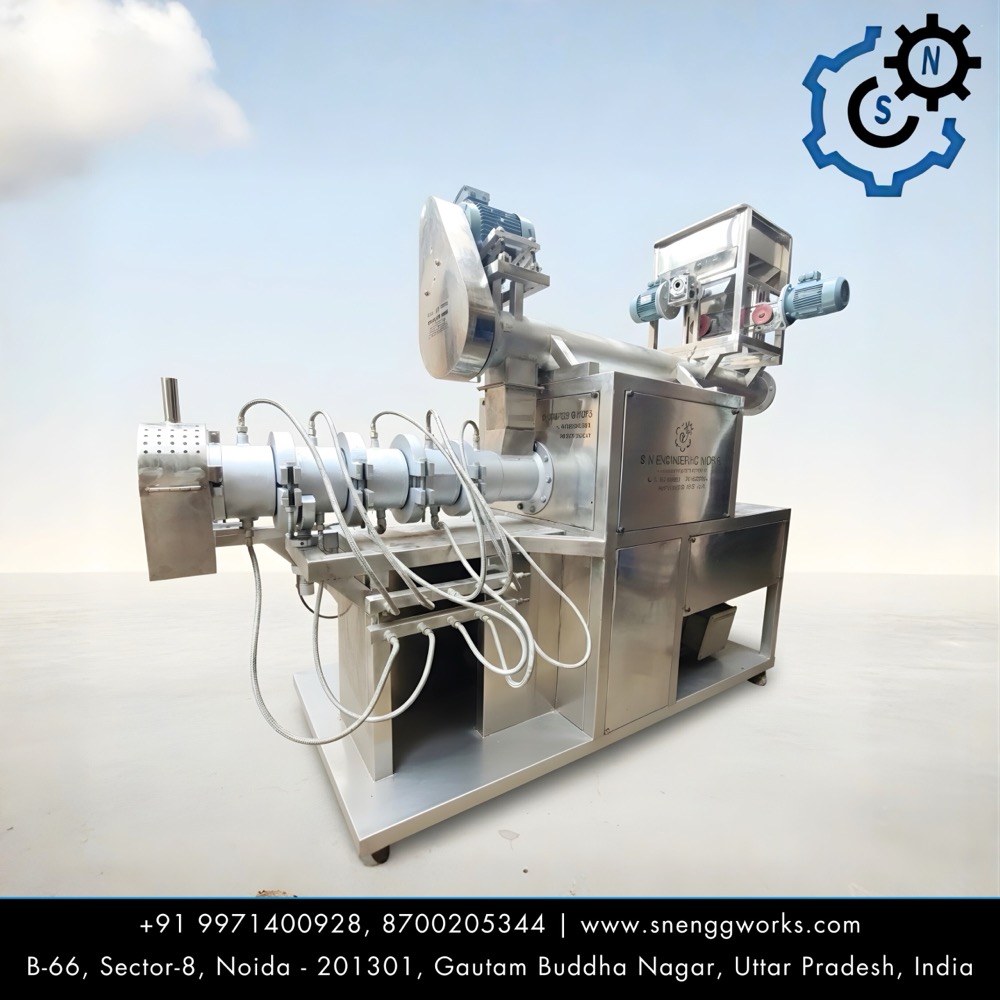
Fish farmers and hatchery owners usually begin looking at fish feed making machine manufacturers after the same experience. Feed is one of their biggest regular purchases, the quality of what they buy changes from lot to lot, and they start to wonder if they could make it themselves. That is a fair question, and the honest answer is that it depends on your farm. The points below help you answer it before you spend money.
Is Making Your Own Feed Right for You?
A feed-making machine suits you when you use enough feed, can store ingredients properly and have someone who will run the process. Check each point in this table against your own situation.
| Think about | Why it matters |
|---|---|
| How much feed you use | A machine needs regular work to justify itself. Very small use may be simpler to buy ready-made. |
| Ingredient supply and storage | You need steady access to ingredients and a dry, clean place to keep them. |
| Who prepares the formula | Someone must own the recipe and check that it suits your fish. |
| Space and power | The machine and its supporting equipment need room and the right electrical supply. |
| People and time | Feed making is daily work: grinding, mixing, running, drying and cleaning. |
Whether it costs less than buying feed depends on your ingredient prices, your volume and your own time, so work it out with your own figures instead of relying on general claims.
What You Need Besides the Machine
The extruder is the centre of the process, but it is not the whole setup. A working on-farm unit usually also needs:
- A grinder, so ingredients reach a fine and even size.
- A mixer, so every pellet carries the same formula.
- A dryer, so pellets are firm and keep well. See our fish feed dryer machine page.
- Dry storage for raw material and finished feed.
- A way to pack and label what you make.
If you want to see these stages combined into one line, our fish feed plant page shows a larger setup.
The Formula Comes From You
A machine processes the mix you give it. It does not decide what is in the feed. The recipe should come from your fish nutrition plan or an aquaculture adviser, based on the species and the growth stage. When you change an ingredient, the pellet can behave differently, so always test a small batch before you make a large one.
How to Judge Pellet Quality
You can check a lot with simple tests on a small sample. Look for these signs:
- Even size: pellets cut to the same length and thickness.
- Firmness: pellets that stay whole when handled, with very little dust at the bottom of the bag.
- Behaviour in water: drop a few pellets into a bucket and watch whether they float or sink as you intended, and whether they hold together. Our floating fish feed machine page explains floating feed in more detail.
Match Capacity Without Overbuying
Divide your daily feed need by the machine's hourly output. For example, if you use 250 kg of feed a day and the machine makes 100 kg an hour, you need about two and a half hours of running, before cleaning and stoppages. A machine much larger than that sits idle and costs more to buy. Allow some room for growth, but base the size on the feed you actually use.
Questions to Ask Fish Feed Making Machine Manufacturers
- What output do I get with my own feed mix, not only the rated figure?
- Which die and cutter options are available for the pellet sizes I need?
- Can the machine make both floating and sinking feed, or only one?
- Are the parts that touch the feed stainless steel, and how easy are they to clean?
- Will you run a trial, install the machine and train my operators?
- How quickly can I get spares?
If you prefer a simpler listing, the machli dana machine page explains the same machine in plain terms.
Frequently Asked Questions
Is it cheaper to make your own fish feed?
It can be, but not always. The answer depends on ingredient cost, how much feed you use and the time you spend. Compare both options using your own figures before you decide.
Do I need an adviser to make the formula?
It is strongly advisable. The formula decides how well your fish grow, and the machine cannot correct a poor recipe. Ask an aquaculture adviser or a fisheries office for guidance on your species.
Can one machine make floating and sinking feed?
Extruders are widely used for floating feed. Whether a given machine can also make sinking feed depends on its design and your formula, so ask the manufacturer directly.
How do I test a small batch?
Check that pellets are even in size, firm to handle and behave as intended in a bucket of water. Make small changes to the formula one at a time, so you know what caused any difference.
Final Thoughts
Start with your farm's feed use, your ingredient supply and the people who will run the process, and only then choose a machine. Our fish feed machines are made at SN Engineering Works in Sector 8, Noida, by a team that Mr. Mohd Naeem has guided since 2012. If you would like to talk through your feed needs and space, get in touch with our team.
Written by: SN Engineering Works Editorial Team, a Noida-based food processing machinery manufacturer (est. 2012). Published: 25 November 2026.