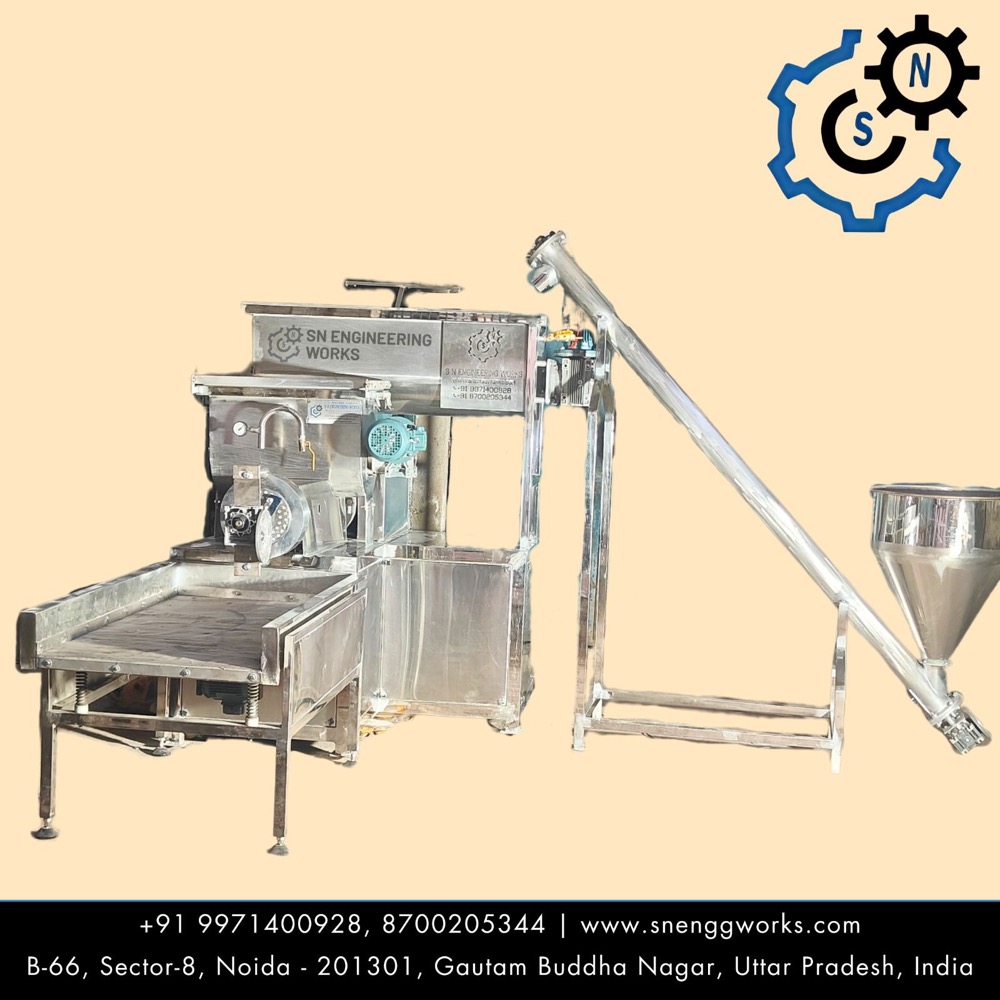
Starting a macaroni business looks simple from the outside. You mix semolina and water, push the dough through a die, dry it, and pack it. In reality, the machine behind that process decides almost everything: shape quality, wastage, daily output and even how much sleep you lose in the first six months. That is why picking the right Pasta Macaroni Plant Manufacturer is the most important decision a new or growing food business will make.
What a Macaroni Plant Actually Includes
A macaroni plant is not one machine. It is a connected line where each stage hands over to the next. A typical setup has a flour and water mixing unit, a vacuum or conditioning stage, an extruder with interchangeable dies, a cutter, a dryer and a cooling or packing section. If any one stage is weak, the whole line suffers.
For example, imagine a small food entrepreneur who buys a good extruder but pairs it with an undersized dryer. The pasta comes out in nice shapes, but it dries unevenly, develops hairline cracks and breaks during packing. The problem was never the extruder. It was the mismatch between machines. A reliable pasta plant manufacturer in India plans the line as one system, not as a list of separate purchases.
Questions to Ask Before You Shortlist Any Manufacturer
Before you ask for a price, ask for clarity. These questions quickly separate serious suppliers from the rest:
- Which pasta shapes can the line produce, and how easy is it to change dies?
- What is the realistic hourly output for my product, not just the maximum figure on a brochure?
- What power, water and floor space does the plant need?
- Who handles installation, trial runs and operator training?
- How quickly can spare parts reach my location?
A manufacturer who answers these openly, and asks you questions in return, is usually thinking about your success and not just the sale.
The Role of the Pasta Extruder Machine
The pasta extruder machine shapes the dough and sets the texture of the final product. Die design, screw speed and extrusion pressure all affect how macaroni, penne or fusilli turn out. Stainless steel food-contact parts are important for hygiene, and a design that is easy to open and clean saves hours every week. Ask whether the manufacturer can supply extra dies later, because your product range will likely grow.
Why the Pasta Dryer Machine Deserves Equal Attention
Many buyers focus on the extruder and treat drying as an afterthought. That is a mistake. A good pasta dryer machine removes moisture gradually and evenly so the pasta stays strong. Finished dried pasta is commonly held at low moisture, often around 12 to 12.5 percent, to keep it stable on the shelf. Drying too fast can crack the product, while drying too slowly can invite spoilage. Always ask how the dryer controls temperature, airflow and humidity.
Automatic vs Semi-Automatic: What Fits Your Business?
An automatic pasta machine line reduces manual handling and gives more consistent output, which matters when you supply to retailers or distributors. A semi-automatic setup costs less and suits startups testing local demand. Neither is better in every case. If you plan to run one shift and sell locally, a smaller line may be enough. If you expect to scale within a year or two, choose a design that allows you to add capacity later instead of replacing everything.
Planning Your Pasta Production Line Layout
A well-planned pasta production line follows a clear flow from raw material storage to mixing, extrusion, drying and packing, without people and material crossing paths. Good layout reduces contamination risk and makes cleaning easier. Share your factory dimensions early so the manufacturer can suggest a practical arrangement. It is also worth thinking about where semolina will be stored, since flour needs a dry, clean space.
Licences and Food Safety Basics
Machinery is only one part of launching a food unit in India. You will also need the appropriate food business licence or registration from the Food Safety and Standards Authority of India (FSSAI), and your premises should follow its hygiene guidelines. You can check current requirements on the FSSAI website. If you are exploring support for food processing projects, the Ministry of Food Processing Industries publishes scheme details on its official portal. Eligibility and terms change from time to time, so always confirm directly with the official source.
Why After-Sales Support Matters More Than Price
The lowest quote can become the most expensive purchase if a breakdown stops production for a week. Over several years, training, spare parts availability and service response time usually matter more than the initial price difference. SN Engineering Works, based in Noida and manufacturing food processing machinery since 2012, builds pasta plants, macaroni plants, extruders and dryers with installation guidance and operator training as part of the process.
Frequently Asked Questions
What is a pasta macaroni plant?
A pasta macaroni plant is a complete production line that turns semolina or flour and water into dried macaroni. It usually includes mixing, extrusion, cutting, drying and packing stages working together.
How do I choose the right pasta macaroni plant manufacturer?
Look for a manufacturer that asks about your product range, target capacity and factory space before quoting. Check build quality, die options, dryer design, installation support, training and spare parts availability.
What capacity should a new macaroni plant start with?
It depends on your market, budget and working hours. Many startups begin with a smaller line and choose a design that can be expanded as demand grows.
Can one machine make different pasta shapes?
Yes. A pasta extruder machine can produce different shapes by changing the die. Cutting and drying settings may also need small adjustments for each shape.
Is drying really that important in pasta making?
Yes. Uneven drying is a common cause of cracked pasta and short shelf life. A well-designed dryer protects both quality and appearance.
Do I need a licence to start a pasta manufacturing unit in India?
Food businesses generally need an FSSAI licence or registration. The exact type depends on the scale of your operation, so check with FSSAI or a qualified consultant.
Final Thoughts
The right plant should fit your product, your space and your growth plans. Take your time, compare more than just the price, and ask for a clear explanation of every stage. If you would like to discuss capacity, layout or machine options, you can get in touch with the SN Engineering Works team or explore the full range of food processing machines on our website.
Written by: SN Engineering Works Editorial Team, a Noida-based food processing machinery manufacturer (est. 2012). Published: 13 October 2026. Sources for further reading: FSSAI (fssai.gov.in) and Ministry of Food Processing Industries (mofpi.gov.in).