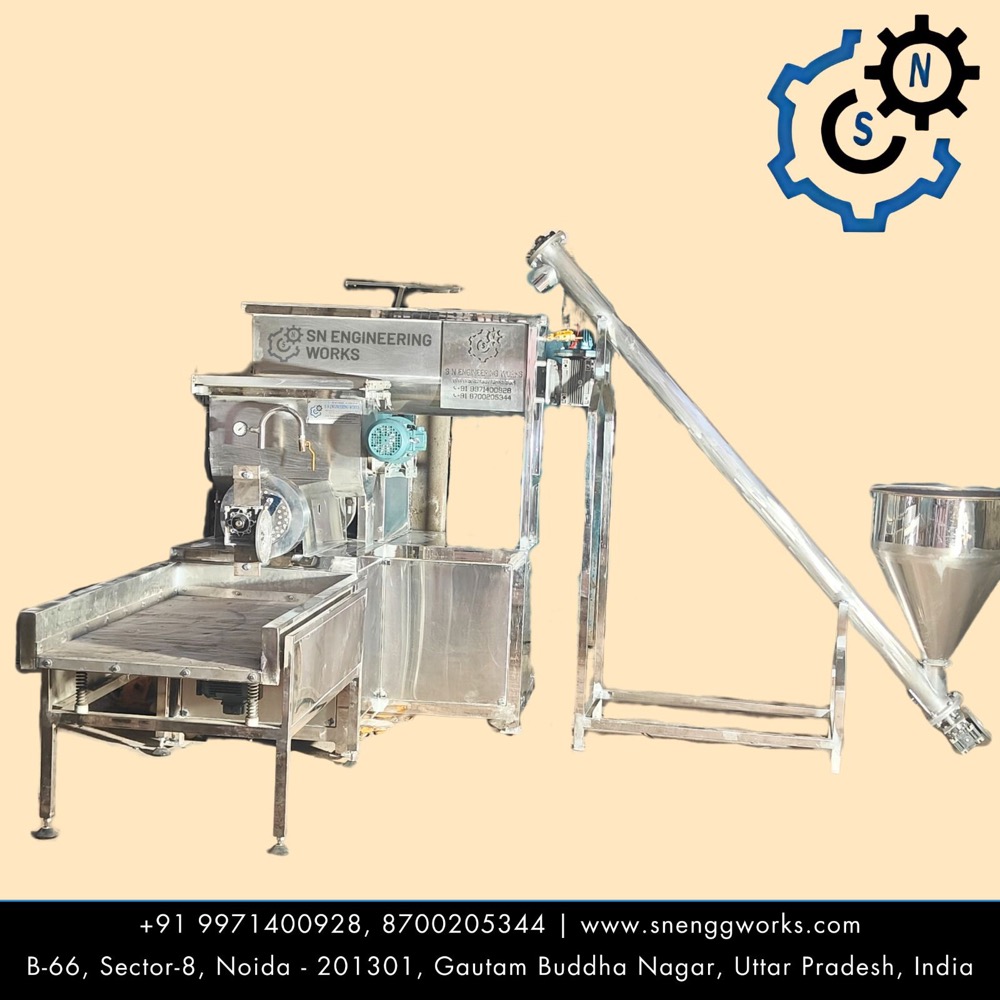
Most people who search for pasta dryer machine manufacturers are in one of two places. Either they have bought an extruder and found that drying is the weak link, or they are planning a new unit and want the whole line to work first time. In both cases the dryer deserves as much attention as the extruder, because freshly cut pasta is soft and full of water, and getting that water out the right way is what makes the product sellable.
What a Pasta Dryer Does
A pasta dryer removes moisture from freshly extruded pasta slowly and evenly, until the pasta is firm and dry enough to store and transport.
The word "slowly" matters. If pasta dries too fast, the outside hardens while the inside is still wet, and hairline cracks appear as the inside later shrinks. If it dries too slowly, or the air does not move well, the pasta stays damp and can spoil. A good dryer controls heat, airflow, humidity and time together, so the water leaves at a steady pace from the centre of each piece to its surface.
Where the Dryer Sits in a Pasta Plant
A pasta line is a chain of connected stages: mixing, extrusion, cutting, drying, cooling and packing. The dryer comes after the cutter and is usually the longest stage, so it often sets the real output of the whole plant. When you talk to pasta plant manufacturers, ask for the output of the complete line and not only the extruder.
Here is a simple example. If your line makes 100 kg of cut pasta an hour, the dryer must be able to take in that 100 kg every hour and hold it for the full drying time. A dryer that is too small makes the extruder wait. A dryer that is far too large wastes floor space and energy. Our page on the pasta extruder explains what to check on the machine feeding the dryer.
Main Types of Pasta Dryers
Dryers differ mainly in how the pasta moves through them. The table compares the two common designs.
| Point | Batch (tray) dryer | Continuous (belt) dryer |
|---|---|---|
| How pasta is loaded | In lots, by hand or trolley | Fed steadily onto a moving belt |
| Output pattern | Stops between batches | Steady, uninterrupted flow |
| Space needed | Usually smaller | Usually longer and larger |
| Best suited to | Smaller units and a few shapes | Higher volumes and long production runs |
Neither design is better in every case. Our pasta line equipment includes industrial and belt dryers, and the right one depends on your volume and shapes. A batch dryer can be a sensible start for a small unit, while a continuous dryer fits a plant that runs full shifts.
Pasta Shapes Change How You Dry
Short cuts such as macaroni and penne dry differently from long pasta, and thick shapes hold water longer than thin ones. One dryer can often handle several shapes, but the temperature, airflow and drying time will need adjusting for each. Always tell the manufacturer every shape you plan to make, including the ones you might add later. If you are building a line around macaroni, see our page on macaroni plant manufacturers to see how the stages fit together.
What to Ask Pasta Dryer Machine Manufacturers
Ask questions that tell you how the dryer will behave in your factory, not just what it costs:
- What output does it handle for my pasta shape, not only the maximum figure?
- How are temperature, airflow and humidity set and adjusted?
- Which heat source does it use, and what will it cost to run?
- Are the parts that touch the pasta stainless steel, and are they easy to clean?
- How is it matched to my extruder's output?
- What floor space and power connection does it need?
- Who installs it, runs trial batches and trains my operators, and how quickly can I get spares?
A manufacturer who answers these clearly, and asks about your product in return, understands the process. You can read more about our own machines on the industrial pasta making machine page.
Common Drying Problems and Likely Causes
If you already run a line, these problems point you to where to look first.
| What you see | What it often points to |
|---|---|
| Hairline cracks | Drying too fast, or uneven airflow across the pasta |
| Damp or sticky pasta, spoilage | Not enough drying time or airflow |
| Hard and soft patches | Uneven heat distribution inside the dryer |
| Breakage during packing | Over-drying, or rough handling after drying |
Plan Space, Power and Layout Early
The dryer is usually the largest machine in the line, so share your floor plan with the manufacturer early. Plan a clear path for the pasta from cutter to dryer to cooling and packing, so people and material do not cross. Check ventilation and the heat source too, because a dryer pushes warm, moist air out of the room. Keep the area clean and dry, and store the packed pasta away from damp walls.
Frequently Asked Questions
Do I need a dryer to make pasta?
For dried pasta, yes. The dryer is what makes it firm and storable. Fresh pasta that is sold quickly does not need drying, but it also has a very short shelf life.
Can one dryer handle different pasta shapes?
Often, yes, with adjustments to temperature, airflow and drying time. Thick or large shapes take longer, so confirm the range with the manufacturer before you order.
Should I buy the dryer from the same manufacturer as the extruder?
You do not have to, but it makes matching capacities easier and gives you one team to call. If you buy from different suppliers, share the extruder's output with the dryer manufacturer.
What should I share to get a dryer quote?
Tell the manufacturer your pasta shapes, hourly output, available floor space and power supply, and whether you need only a dryer or a complete line.
Final Thoughts
A pasta dryer is not an add-on. It protects the quality you built in the extruder and decides how long your pasta lasts on the shelf. Choose a dryer that matches your extruder, suits your shapes and comes with proper installation and training. SN Engineering Works builds food processing machines in Noida, Uttar Pradesh, and has done so since 2012, under the guidance of Mr. Mohd Naeem. If you want to discuss a dryer or a complete pasta line, get in touch with our team.
Written by: SN Engineering Works Editorial Team, a Noida-based food processing machinery manufacturer (est. 2012). Published: 13 November 2026.