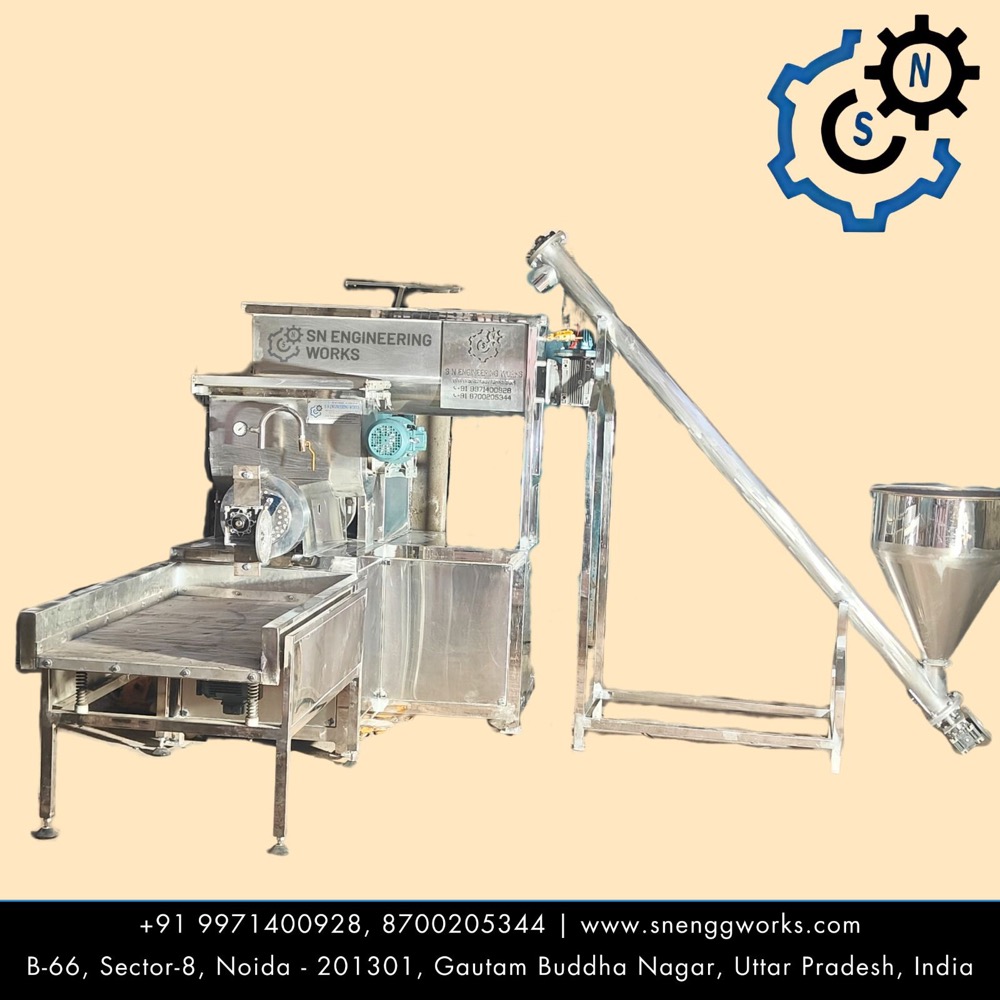
Most buyers spend their time comparing pasta dryer machine manufacturers on capacity and price, and then give very little thought to what happens once the machine is ordered. That is where many drying problems begin. A good dryer placed in a badly prepared room, or run without a proper trial, can still give cracked or damp pasta. If you are still deciding which dryer to buy, start with our guide on how to choose a pasta dryer, and come back here once you have chosen.
Prepare the Site Before the Dryer Arrives
A dryer is large, heavy and connected to power and air movement, so the room needs to be ready on the day it arrives. Ask the manufacturer for a drawing or a list of requirements and check each point:
- Floor: level, firm and strong enough for the machine, with a clear space around it for cleaning and repair.
- Entry path: doors and passages wide enough to bring the machine in, including any sections that arrive separately.
- Power: the phase and voltage the dryer needs, with a connection point close to where it will stand.
- Heat source: the fuel or electrical supply the dryer uses, installed safely.
- Ventilation: a way to let warm, moist air leave the room so it does not settle on walls and packing material.
What Happens During Installation
The exact steps depend on the machine, but a typical installation follows this order:
- The machine is positioned and levelled.
- Power, heat source and exhaust are connected.
- Controls, fans and safety stops are checked.
- The dryer is run empty to confirm it reaches and holds the set conditions.
- A trial is run with your own pasta.
- Your operators are trained on the controls and the cleaning routine.
Ask the manufacturer who carries out each step and how long it normally takes, so you can plan production around it.
Run a Proper Trial Before Real Production
The trial with your own pasta is the most useful hour you will spend with the machine. Do not judge it only by whether pasta comes out dry. Look at the details in this table.
| What to check | Why it matters |
|---|---|
| Pasta from different positions in the dryer | Shows whether drying is even from front to back and top to bottom. |
| Surface and cracks after cooling | Hairline cracks often appear only after the pasta rests. |
| Feel and snap of a few pieces | A quick check that the pasta is firm all the way through. |
| Settings you used | You need them again for the next batch of the same shape. |
A Simple Daily and Weekly Care Routine
Every day
Clear loose pasta and fragments from the inside, wipe surfaces that touch the pasta, and check that air inlets and outlets are not blocked. A few minutes at the end of each shift prevents buildup that spoils the next batch.
Every week
Look over fans, belts, heating parts and door seals for wear or looseness. Follow the intervals in the manufacturer's manual, and ask for one if you were not given it.
Keep a Short Logbook
A notebook next to the machine pays for itself. For each batch, record the date, pasta shape, dryer settings, output and any problem. When pasta suddenly dries badly, you can compare today's settings with a good batch instead of guessing. The same records help a technician find the cause faster when you call for support.
Support Questions to Ask Pasta Dryer Machine Manufacturers
- Is installation at my site included, and who does it?
- Will my operators be trained, and on which controls?
- Do you provide a manual and a spare parts list?
- How do you respond when something stops working after delivery?
The dryer sits in the middle of a larger line, so it also helps to see how it fits with the stages around it. Our pages on the pasta production line and the pasta extruder show what comes before and after it, and the pasta plant page shows the complete setup.
Frequently Asked Questions
How long does it take to install a pasta dryer?
It depends on the size of the machine and how ready your site is. Ask the manufacturer for an installation schedule before you order, and have power, ventilation and floor space ready in advance.
Who should operate the dryer?
A trained operator. Training on the controls and the cleaning routine is part of a proper installation, and more than one person on your team should know how to run it.
How often should a pasta dryer be cleaned?
Wipe and clear it at the end of every shift, and do a closer inspection weekly. Follow the manufacturer's manual for exact intervals on your model.
Can a dryer fit in a room I already have?
Often, if the floor, entry path and ventilation allow it. Share your room dimensions and photos with the manufacturer, and ask them to confirm before you place the order.
Final Thoughts
A pasta dryer works best when the site is ready, the trial is done properly and the routine is simple. Our dryers and other food processing machines are made at SN Engineering Works in Sector 8, Noida, where Mr. Mohd Naeem has guided the team since 2012. Installation at your site and operator training are part of our process. To talk through your room, pasta shapes and output, get in touch with our team.
Written by: SN Engineering Works Editorial Team, a Noida-based food processing machinery manufacturer (est. 2012). Published: 25 November 2026.